Power Electronics
- Home
- Power Electronics
Power Electronics
At Precitech, we design and manufacture advanced Power Electronic Solutions that enable reliable energy conversion, distribution, and control for critical applications in defence, telecom, industrial automation, and renewable energy systems.
Our products are built to deliver high efficiency, rugged performance, and long-term reliability even in the most demanding environments.
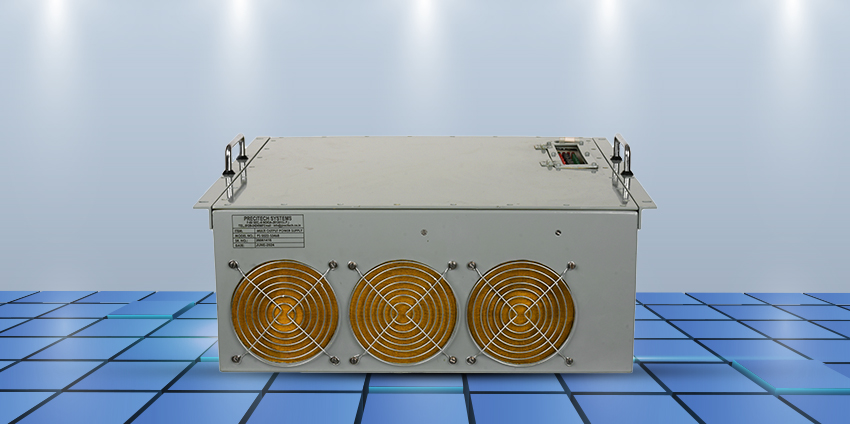
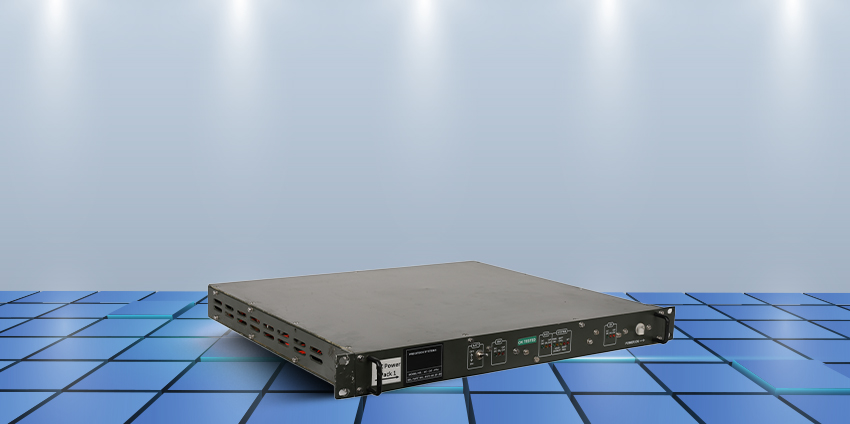
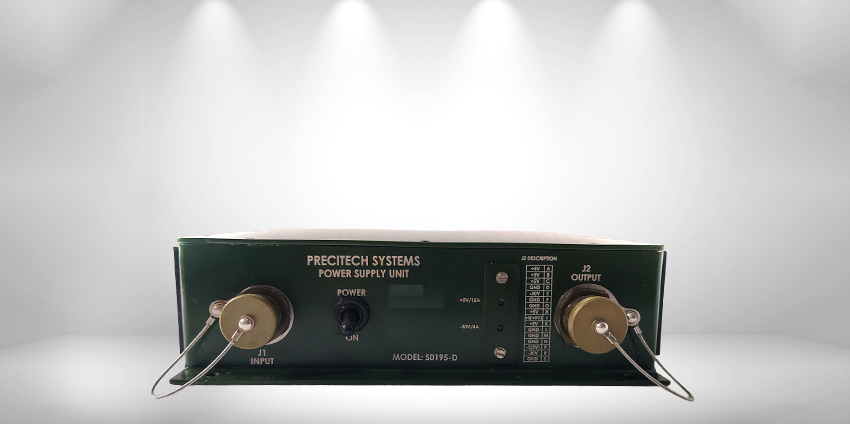
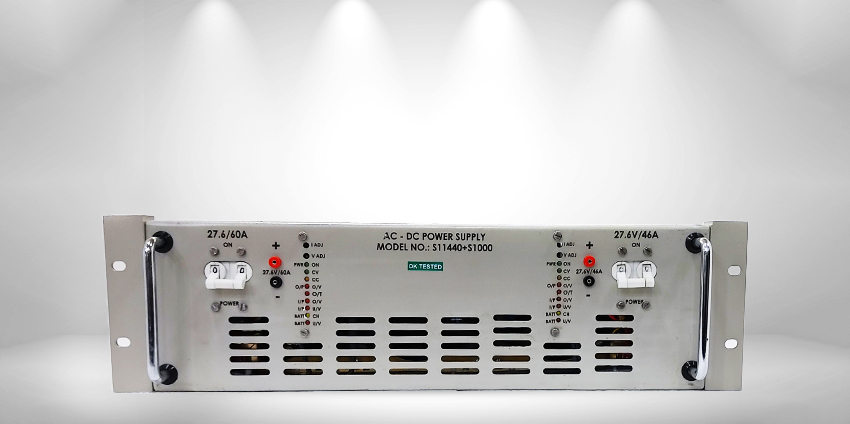
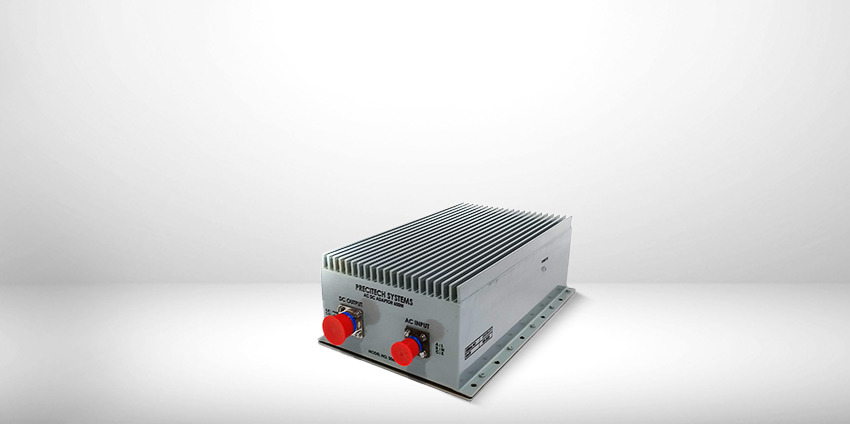
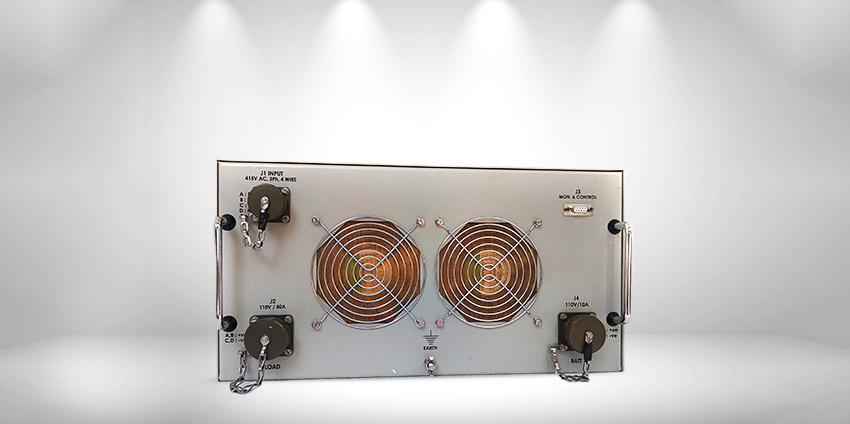
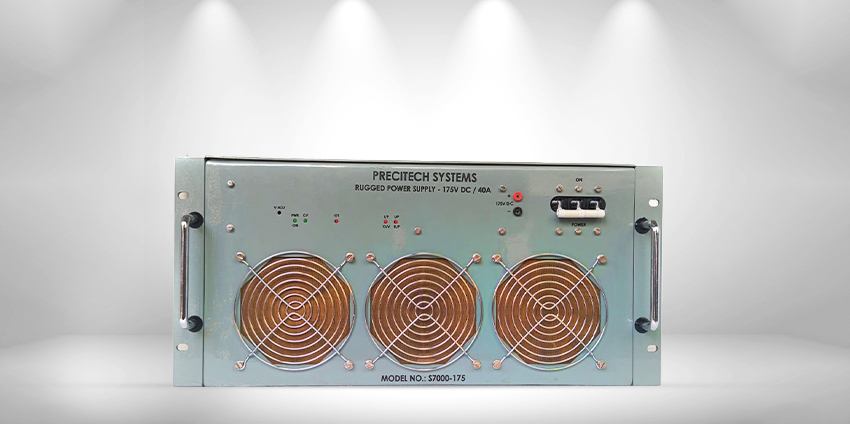
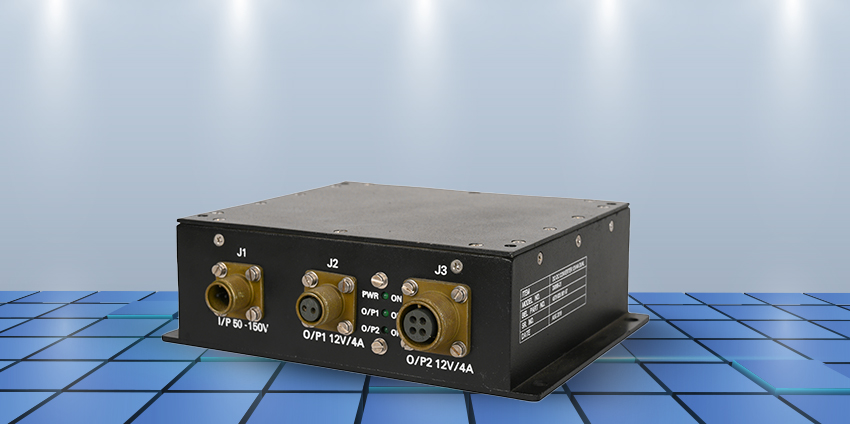
AC to DC Converters
Efficient and reliable conversion of AC power to stable DC supply. Available in single-phase and three-phase designs, our rectifiers are trusted in applications such as radar systems, telecom networks, and industrial equipment.
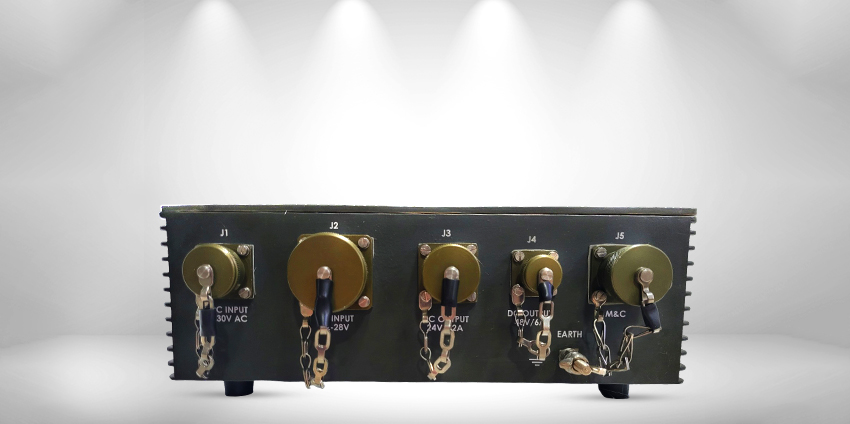
DC to DC Converters
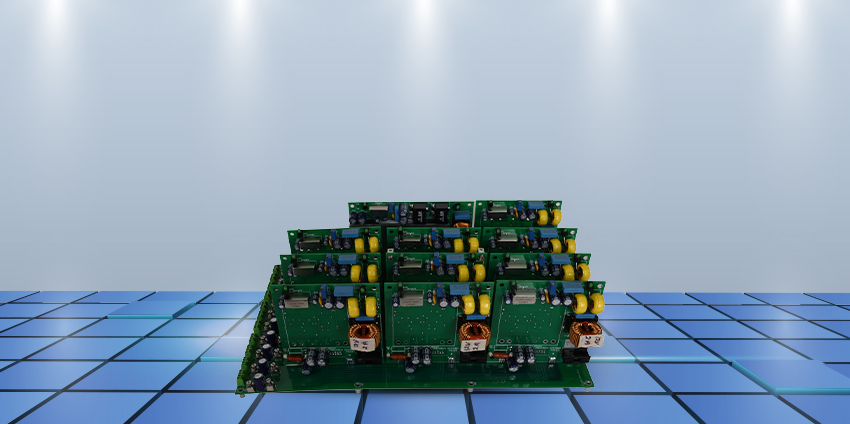
Compact, versatile, and highly efficient converters designed to step up or step down DC voltages. With advanced isolation and protection features, these units support avionics, renewable energy storage, and mission-critical electronics.
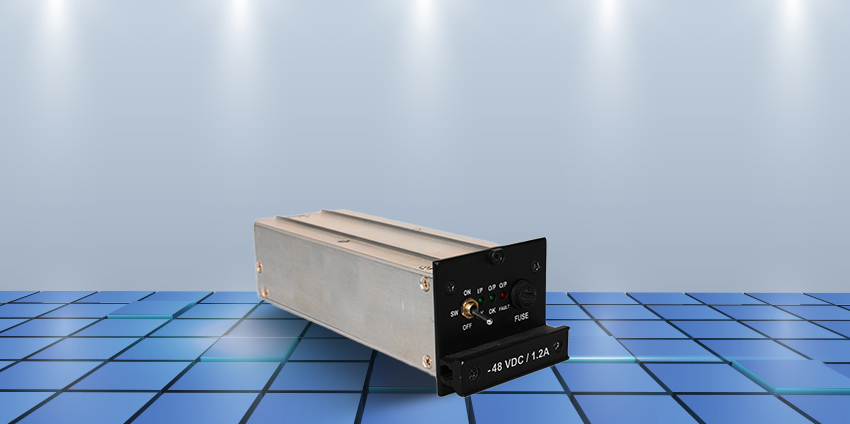
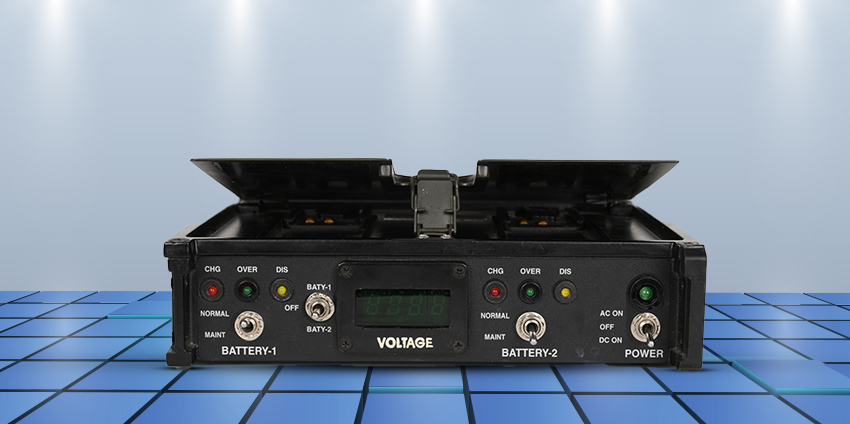
Battery Chargers
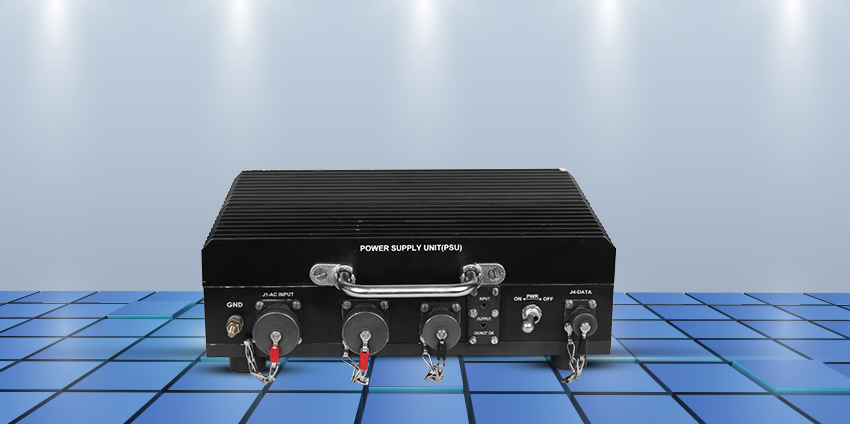
Intelligent battery charging solutions that extend battery life and ensure safe operation. Supporting a wide range of battery chemistries including Li-ion and lead-acid, our chargers are widely used in defence equipment, communication systems, and electric mobility solutions
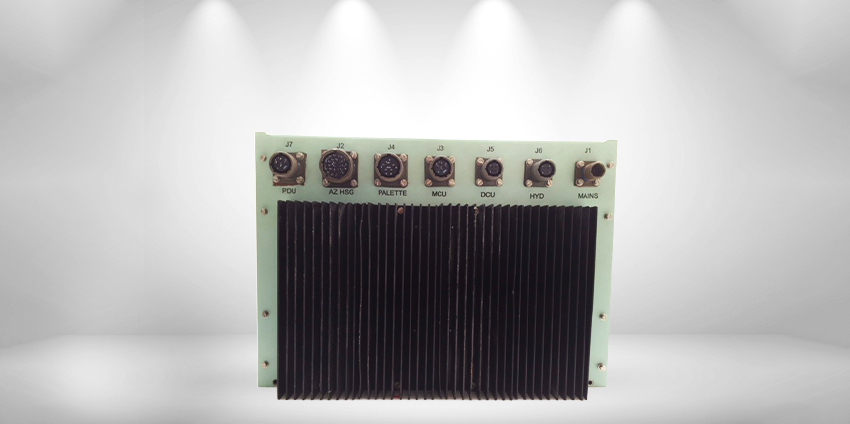
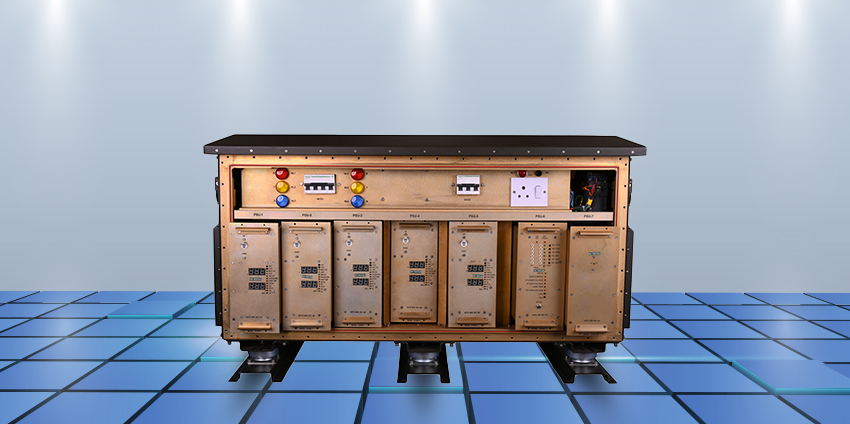
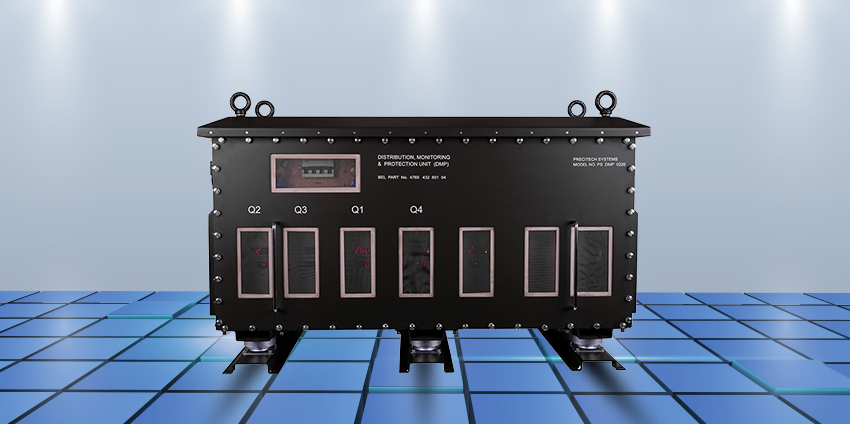
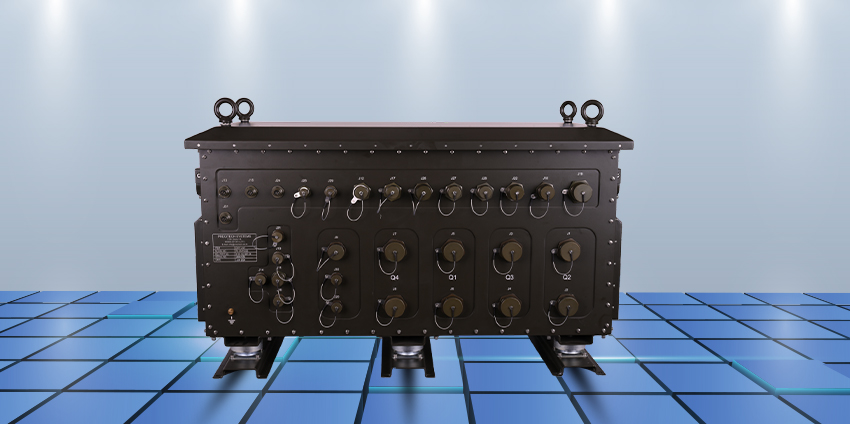
Distribution Monitoring and Protection Unit
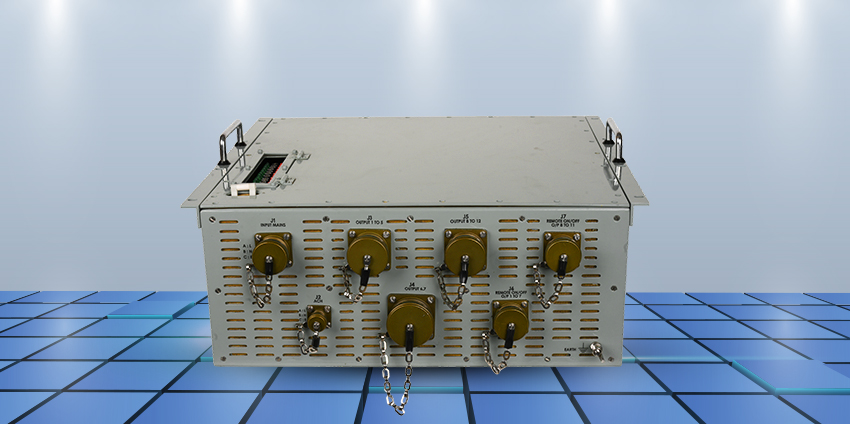
Smart units for monitoring and protecting electrical distribution systems. With real-time tracking of voltage, current, and system health, our DMPUs provide fault protection, data logging, and uninterrupted reliability for defence shelters, telecom base stations, and industrial networks
Frequently Asked Questions
Answers for Power Electronics
Power electronics play a critical role in ensuring reliable, efficient, and protected power delivery to mission-critical equipment. Precitech Systems develops and supplies power electronics solutions that are designed for demanding operational environments across defence, telecom, railways, industrial, and infrastructure sectors.
Precitech's portfolio includes:
- AC-DC Power Supplies and Converters
- DC-DC Converters
- Battery Chargers
- Distribution Monitoring & Protection Units (DMPU)
- Customized Power Distribution and Control Systems
- Application-specific power solutions
These solutions are commonly used for:
- Defence communication systems and command centers
- Radar, surveillance, and electro-optical systems
- Telecom and communication infrastructure
- Mobile shelters and vehicle-mounted systems
- Industrial automation and control systems
- Railway and mining applications
- Battery-backed critical equipment and field deployments
What makes power electronics particularly important in these applications is not just power conversion, but ensuring stable operation under fluctuating input conditions, harsh environmental factors, and varying load requirements.
One of Precitech's strengths is its ability to develop customized solutions around the end application. Rather than offering only standard catalog products, Precitech works closely with customers to address specific voltage levels, power ratings, environmental conditions, packaging requirements, protection features, and integration needs.
In many projects, the power electronics subsystem becomes the backbone of the overall solution-supporting communication equipment, sensors, computing systems, surveillance payloads, and other critical electronics that require uninterrupted and regulated power.
For organizations evaluating power electronics suppliers, important considerations include:
- Reliability and field performance
- Protection against electrical faults and transients
- Customization capability
- Long-term support and maintainability
- Integration experience with larger systems
With experience in complex and mission-critical applications, Precitech's power electronics solutions are designed to provide dependable power where operational reliability is non-negotiable.
AC-DC and DC-DC converters are available through electronic component distributors, industrial automation suppliers, and specialized power electronics manufacturers. The right source depends on whether you need a standard catalog product or a solution tailored to your application.
For industrial, telecom, defence, railway, and infrastructure applications, power conversion requirements often go beyond basic voltage conversion. Factors such as reliability, environmental conditions, electrical protection, efficiency, EMI/EMC compliance, and long-term support become critical.
These converters are commonly used in:
- Industrial automation and control systems
- Telecom and communication equipment
- Defence and surveillance systems
- Railway electronics and onboard equipment
- Battery-powered systems
- Test and measurement equipment
- Data acquisition and monitoring systems
- Mobile shelters and vehicle-mounted platforms
While standard converters can be purchased through distributors, many organizations prefer working directly with manufacturers when they require:
- Custom input/output voltage configurations
- Specific power ratings
- Ruggedized solutions for harsh environments
- High reliability for mission-critical applications
- Integrated monitoring and protection features
- System-level integration support
Precitech Systems designs and supplies both AC-DC and DC-DC converters for industrial and mission-critical applications. In addition to supplying the converter itself, Precitech supports customers with application engineering, customization, integration assistance, and long-term technical support.
Key capabilities include:
- Custom voltage and power configurations
- High-reliability industrial and defence-grade solutions
- Protection against overload, short circuit, reverse polarity, and transients
- Integration into larger power distribution and control systems
- Technical support during deployment and operation
- Lifecycle maintenance and support services
Before selecting a supplier, consider evaluating:
- Input and output voltage requirements
- Power rating and efficiency
- Environmental operating conditions
- Protection and safety features
- EMI/EMC compliance requirements
- Availability of after-sales support and spares
The best converter supplier is often not the one offering the lowest price, but the one that can ensure reliable performance throughout the life of your equipment and support your application as it evolves.
When selecting an industrial power supply, output voltage and power rating are only part of the equation. In real-world operating environments, power supplies are exposed to electrical disturbances, load fluctuations, environmental stresses, and occasional user errors. The right protection features help ensure reliability, equipment safety, and reduced downtime.
A robust industrial power supply should ideally include:
Electrical Protection Features
- Over Voltage Protection (OVP) - Protects connected equipment from excessive output voltage that could damage sensitive electronics.
- Over Current Protection (OCP) - Prevents damage caused by excessive current draw due to overload conditions.
- Short Circuit Protection (SCP) - Safely limits or shuts down output during short circuit events.
- Over Temperature Protection (OTP) - Protects internal components from overheating and extends product life.
- Input Surge Protection - Guards against voltage spikes, lightning-induced surges, and switching transients.
- Reverse Polarity Protection - Prevents damage due to incorrect wiring or battery connection errors.
- Under Voltage Lockout (UVLO) - Ensures proper operation during input voltage dips and prevents unstable performance.
Industrial and Mission-Critical Features
- EMI/EMC compliance for electrically noisy environments
- Inrush current limiting
- Isolation between input and output circuits
- Fault monitoring and alarm outputs
- Health monitoring and status indication
- Redundancy support for critical applications
For applications in defence, telecom, railways, industrial automation, and field-deployed systems, protection features become even more critical because equipment often operates continuously in demanding conditions.
At Precitech Systems, protection architecture is designed based on the application's operational requirements. Depending on the product and deployment environment, power solutions can incorporate multiple layers of protection along with monitoring and diagnostic capabilities to improve reliability and maintainability.
A Distribution Monitoring and Protection Unit (DMPU) is an intelligent power distribution system that not only distributes electrical power to multiple loads but also continuously monitors, protects, and manages the connected equipment.
Unlike conventional distribution panels that primarily route power, a DMPU provides real-time visibility into the health and performance of the electrical network while protecting critical equipment from electrical faults.
A typical DMPU performs the following functions:
Power Distribution
- Distributes power to multiple equipment or subsystems
- Supports AC and/or DC power distribution architectures
- Provides controlled power delivery to critical loads
Monitoring Functions
- Voltage monitoring
- Current monitoring
- Load status indication
- Power consumption monitoring
- Fault detection and event logging
- Health monitoring of connected systems
Protection Features
- Over-voltage protection
- Under-voltage protection
- Over-current protection
- Short-circuit protection
- Reverse polarity protection (where applicable)
- Fault isolation to prevent cascading failures
Control and Management
- Local and remote status monitoring
- Alarm generation and fault reporting
- Individual channel control and switching
- Integration with higher-level control systems
DMPUs are commonly used in:
- Defence communication systems
- Mobile command and control centers
- Surveillance and radar systems
- Telecom infrastructure
- Vehicle-mounted electronic systems
- Industrial automation and control applications
- Mission-critical power distribution networks
The primary benefit of a DMPU is that it transforms a passive power distribution system into an intelligent and protected power management platform. Operators gain visibility into power usage, can identify faults quickly, and can protect expensive equipment from electrical damage.
At Precitech Systems, Distribution Monitoring and Protection Units are often integrated into larger communication, surveillance, shelter, and mobile platform solutions. Depending on customer requirements, DMPUs can be customized with monitoring, protection, control, and reporting features tailored to the specific application.
The reliability of any industrial power electronics product is determined long before it reaches the customer site. A robust testing and validation process is essential to ensure consistent performance, safety, and long-term operational reliability.
Industrial power electronics products such as AC-DC converters, DC-DC converters, battery chargers, and Distribution Monitoring & Protection Units typically undergo multiple stages of inspection, verification, and qualification before dispatch.
Development and Prototype Validation
For new product development and customized solutions, testing begins at the prototype stage itself. Depending on customer and application requirements, prototypes may undergo qualification and certification testing through accredited third-party laboratories to validate compliance with applicable standards and environmental requirements.
These may include:
- EMI/EMC compliance testing
- Environmental testing
- Vibration and shock testing
- Safety and insulation testing
- Performance and endurance testing
- Customer-specific qualification tests
Stage-wise Internal Testing
Throughout the development and manufacturing lifecycle, products are subjected to structured testing at multiple stages, including:
- Design verification testing
- Prototype evaluation
- Engineering validation testing
- Production testing
- Factory acceptance testing (FAT)
- Final quality assurance inspection
Testing is performed against predefined and approved Test Plans, Acceptance Test Procedures (ATPs), and customer specifications to ensure complete traceability and compliance.
Functional and Protection Testing
Each unit is typically verified for:
- Input-output performance
- Voltage and current regulation
- Load performance across operating ranges
- Over-voltage protection
- Over-current protection
- Short-circuit protection
- Thermal protection functionality
- Monitoring and alarm functions
Final Verification Before Dispatch
Prior to shipment, products undergo:
- Functional testing
- Configuration verification
- Workmanship inspection
- Documentation review
- Packaging and dispatch inspection
At Precitech Systems, quality validation is treated as a structured engineering activity rather than a final inspection step. Prototype qualification reports from accredited laboratories, along with internal development, validation, and production test records, are maintained throughout the project lifecycle.
Where contractually applicable, relevant test reports, qualification certificates, Factory Acceptance Test (FAT) records, and ATP compliance documents are shared with customers as part of the delivery documentation package.
For defence, telecom, railways, and other mission-critical applications, this rigorous approach ensures that products are not only functionally compliant but also validated against the environmental and operational conditions they are expected to encounter in the field.
When evaluating a power electronics supplier, consider asking:
- Are prototypes independently certified?
- Are ATPs and test plans formally approved?
- Can qualification and acceptance test reports be provided?
- Is complete testing traceability maintained?
- Are customers involved in witness or acceptance testing?
The strongest indicator of product reliability is not just the design itself, but the discipline and rigor applied throughout the testing and validation process.
For general commercial and consumer applications, many manufacturers offer standard off-the-shelf power supplies that can be delivered quickly. However, in sectors such as defense, telecom, railways, surveillance, and industrial automation, power supplies are often designed around specific operational requirements, making a "one-size-fits-all" approach impractical.
At Precitech Systems, the focus is primarily on application-specific and mission-oriented power electronics solutions rather than catalog-based products. Most AC-DC converters, DC-DC converters, battery chargers, and power distribution systems are engineered to meet unique customer requirements, including:
- Input and output voltage specifications
- Power ratings and load profiles
- Environmental operating conditions
- Protection and monitoring requirements
- Packaging and mechanical constraints
- Integration with larger systems and platforms
- Compliance with customer and industry standards
Because these products are deployed in critical applications, they are rarely interchangeable with commercial off-the-shelf power supplies used in home appliances or general-purpose electronics.
The philosophy is simple: the power supply should be designed around the mission, not the other way around.
That said, for deployed systems under warranty or support contracts, Precitech typically maintains strategic spare units and critical assemblies to facilitate faster replacement and minimize downtime in the event of a failure.
Organizations evaluating power supply suppliers should consider not only delivery timelines but also:
- Application suitability
- Reliability and field performance
- Customization capability
- Long-term support availability
- Maintainability and spare support
For mission-critical applications, a customized power solution that precisely matches the system requirements often delivers significantly higher reliability and lifecycle value than a readily available generic product.